Trying to be Francis:
three stories about taking photographs in Edinburgh

It’s more than thirty years now since I saw my uncle, an exceptional watercolourist, drop his face into his hands in the restaurant of the Royal Academy of Arts in Piccadilly and groan, “It just makes you want to give up.” We’d spent the morning at The Great Age of British Watercolours, 1750-1880 with its feast of Turners, Cotmans and Girtins, and his mood had darkened almost from the start. When my turn came, in photography rather than painting, I was more fortunate in my heroes. The Edwardian Edinburgh greats – Francis Chrystal and the photographers of the EPS Survey – stood like inept giants on the horizon, inviting the unskilled and incompetent to pick up their mantle. At least that’s the entirely graceless way I saw it, and that’s what I did, for about ten years in Edinburgh from 2014. Here are three short tales about it all.
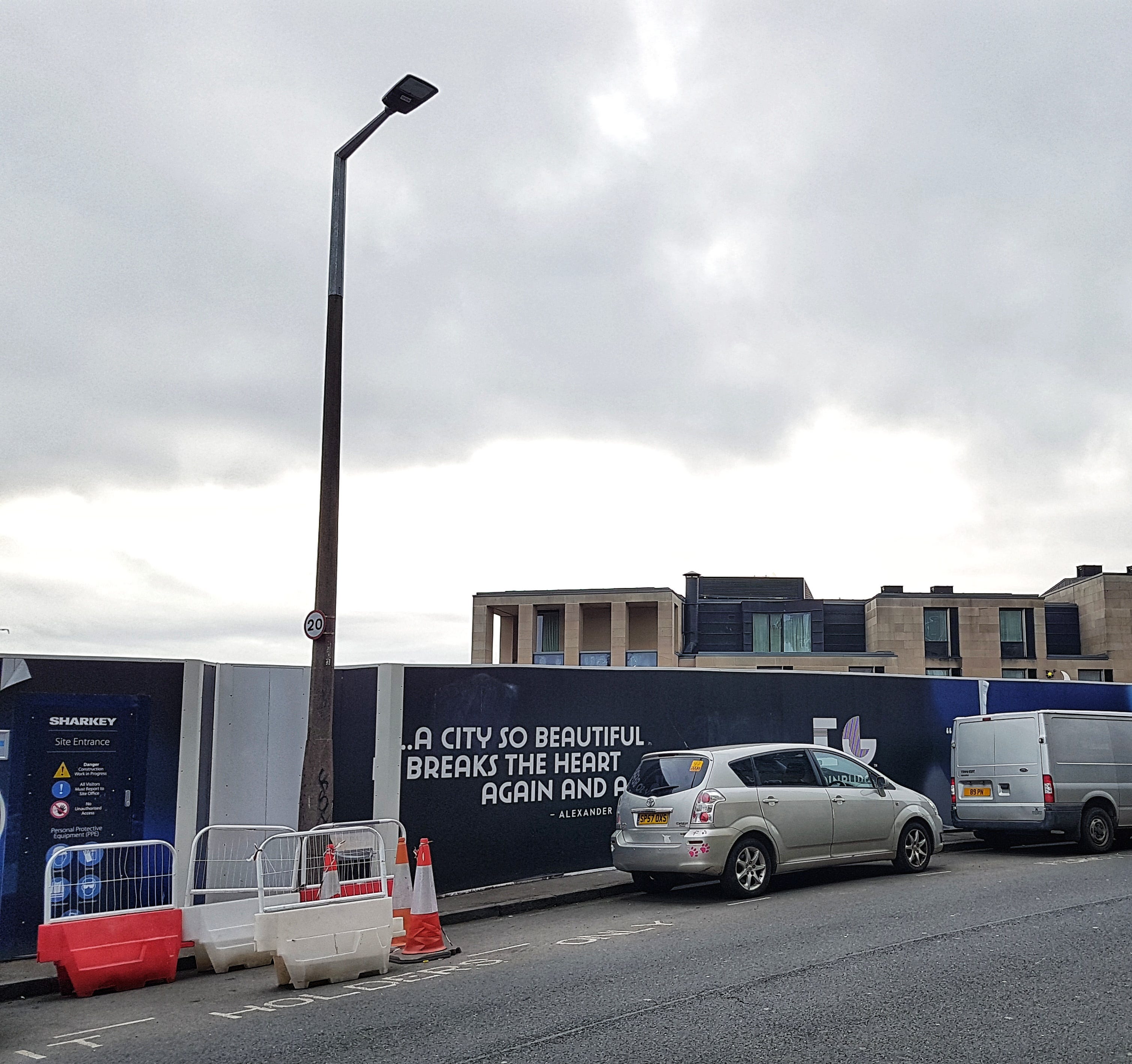
1: Through the underworld with Wilfred Owen
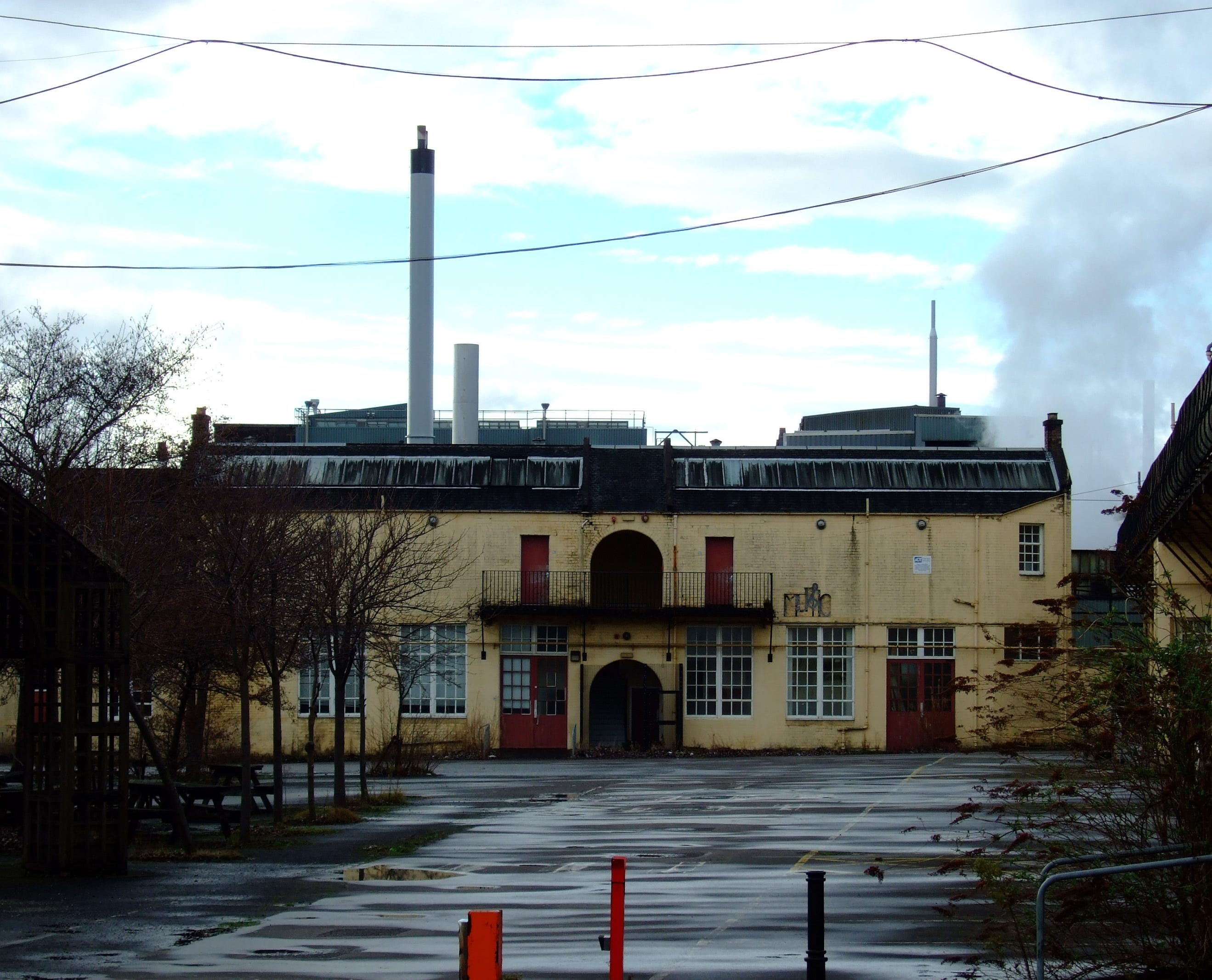
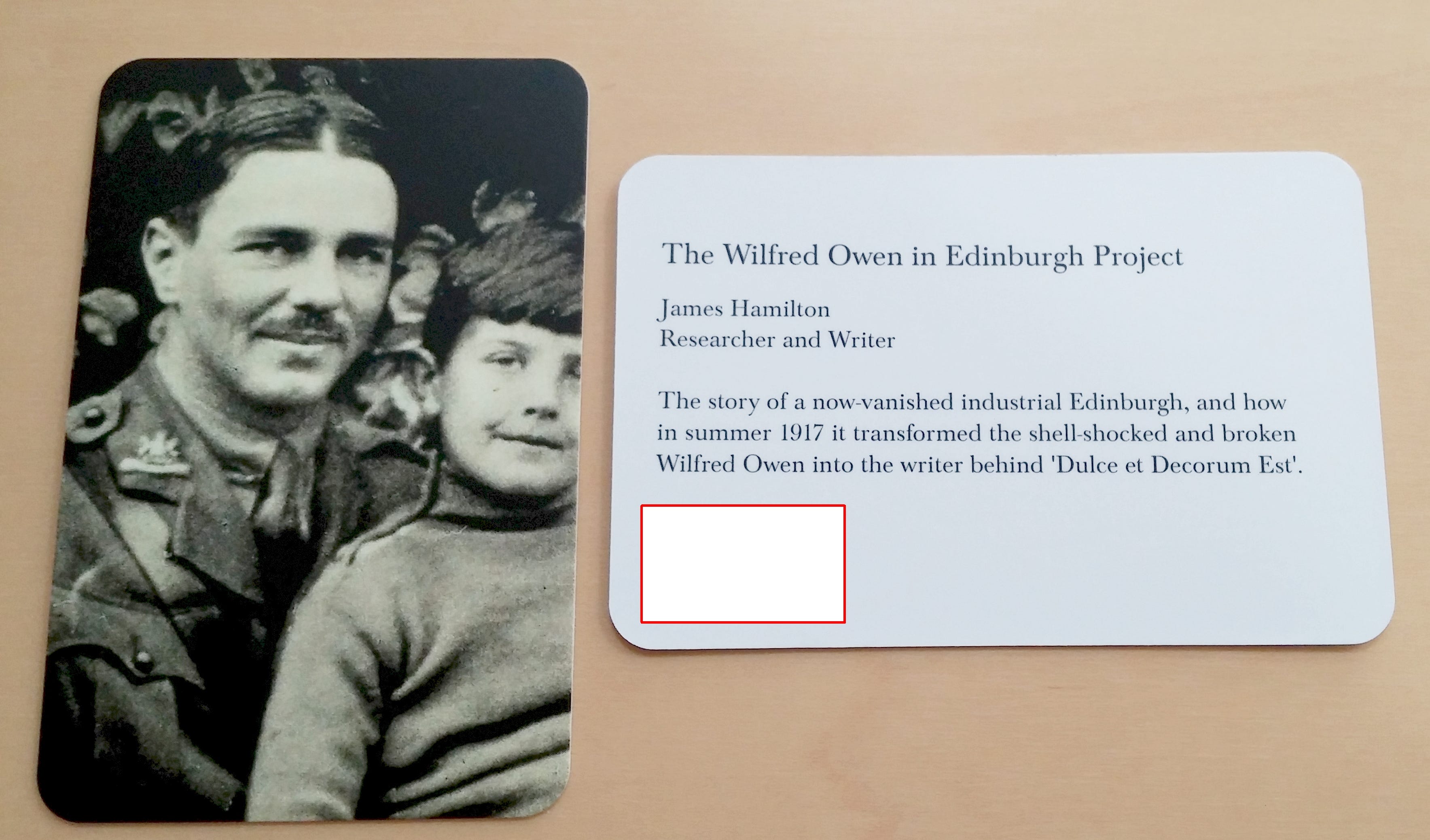
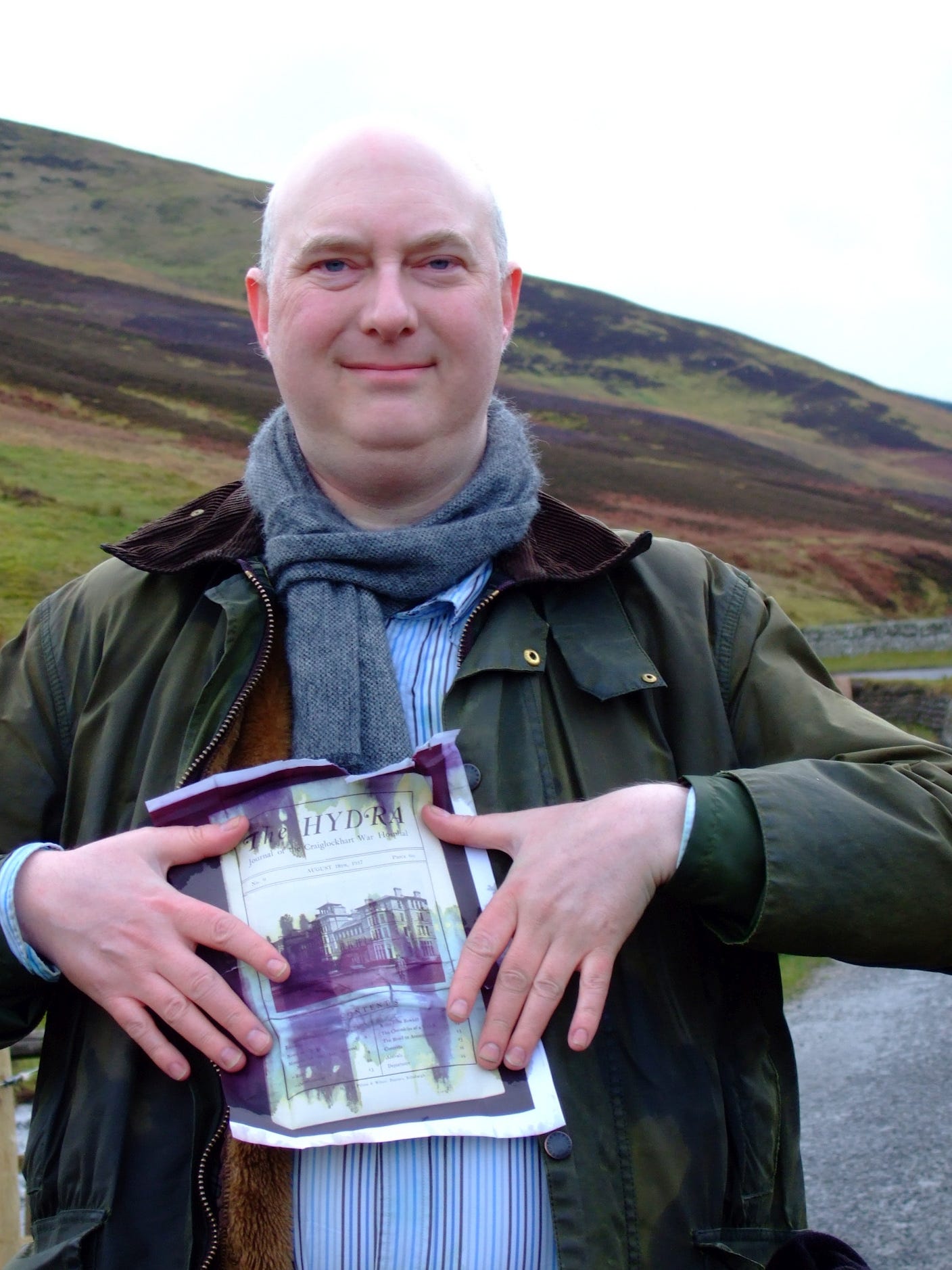
It began for me with Wilfred Owen, or at least that was where it became serious. Moving to Edinburgh in mid-life, I’d used photography as a way of making contact with a place where I’d always had family but was myself otherwise a stranger. Owen had been that too when, newly arrived in the summer of 1917, he’d breakfasted at Waverley before a taxi took him west to the hospital at Craiglockhart. Of course, he’d meet Sassoon there and there’d be the start of his extraordinary final year and its famous war poems, but the popular belief that he was confined to the hospital grounds is untrue. To the contrary indeed ,and few people have become so involved in the life of a city as Wilfred Owen was in Edinburgh in 1917. At the start of 2014, with the centenary of Owen’s Edinburgh sojourn not far away, I set out to photograph as much of Wilfred Owen’s city as meaningfully remained.
In 1917, Edinburgh was still what it had been for much of the late Victorian period, an industrial city of foundries, breweries and printers, laced with railways and administered by a professional class of lawyers, doctors and ministers of the church whose charitable foundations ran hospitals, schools and asylums that were ahead of their time. Away in the Balkans the Scottish nurses under Elsie Inglis were at work and at home in the Outlook Tower and elsewhere the disciples of Sir Patrick Geddes drove new urban thinking, Celtic revival and work for the Old Town’s poor. Around the whole lay the Fife and Lothian coalfields, and into all this Wilfred Owen would venture, urged on by his doctor at Craiglockhart, Arthur Brock. He’d befriend artists in Stockbridge, sit with the blind in Grassmarket tenements, teach working class boys in Dalry and take his comrades on testing hikes across the Pentlands. With Sassoon he’d venture out of the city to drink in a bar run by French exiles in Manathort (a Fife village on Richard Demarco’s Road to Meikle Seggie, a Scottish manifestation of the concept of the artist’s journey that Owen and Sassoon appear actually to have taken).
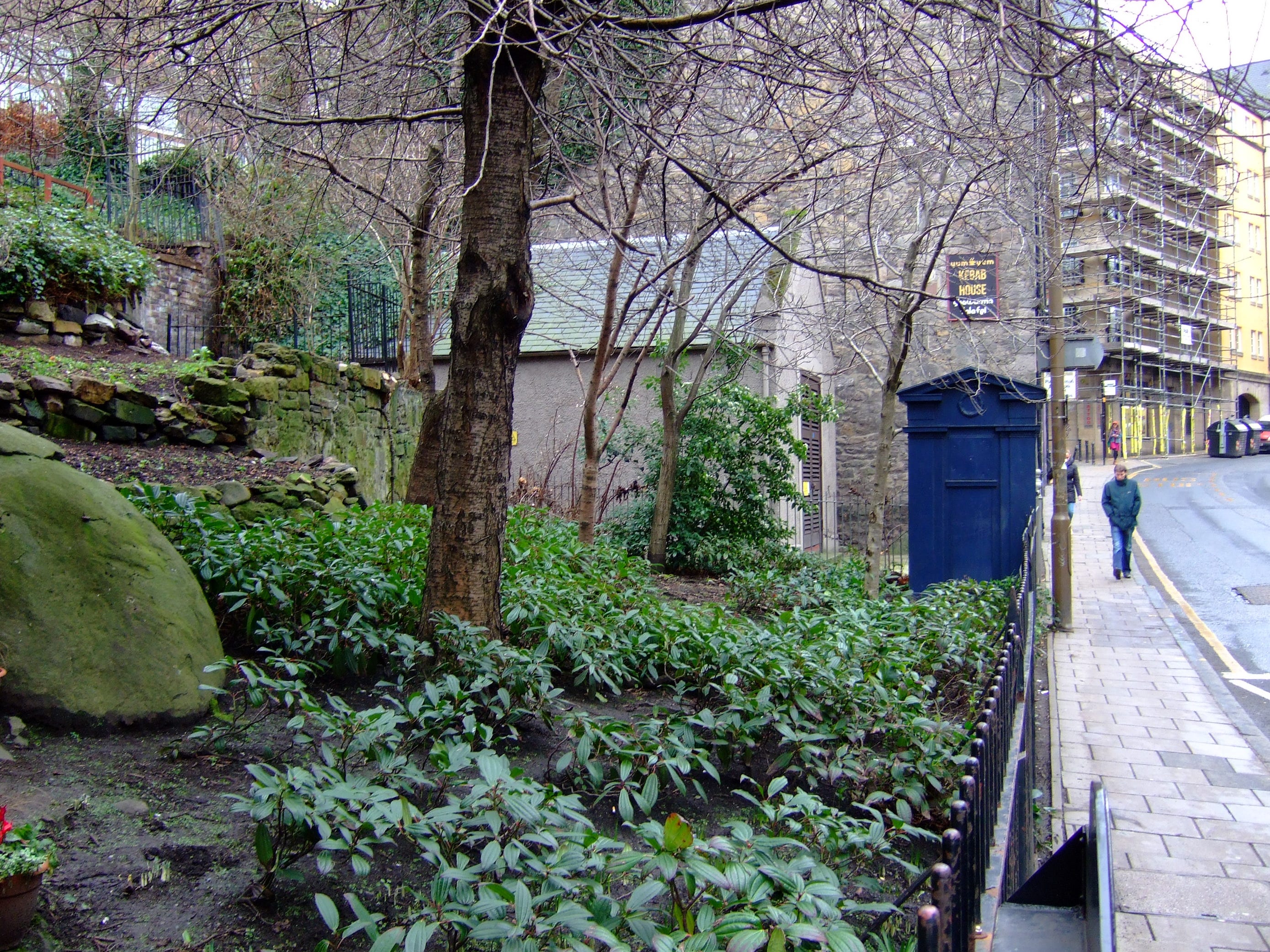
I had in mind a book about this Edinburgh, and to use Owen as a kind of Virgil leading the reader through what was often the Scottish capital’s underworld (his fragment of November 1917, Who is the God of Canongate? appears to reference a sex trade in young boys in Edinburgh and London, and his Six O’Clock on Princes Street from earlier in the summer stands him by the gutter alongside the city’s impoverished newsboys). Zoned planning, the Welfare State, two world wars and the petrol engine between them closed over that 1917 Edinburgh and it no longer exists: the modern city is the ruins of that civilisation, camped on and around by strangers, and in the end I felt that a stranger like myself should not be the one to tell its story. Some aspects of Owen’s time in Edinburgh are told by the Scottish historian Neil McLennan in Six O’Clock in Princes Street: an analysis of Wilfred Owen’s Edinburgh ‘re-education.’ Proc Soc Antiq Scot 148 (2018), 333–351.
2 The “Festival City”, 2019
Tourism is a mocker, reducing places to a parody of themselves while pretending to be their saviour, and humiliating those caught in the vicinity before driving them out. Between the arrival of short term lets in Edinburgh in 2011 and the advent of Covid-19, the city’s oldest residential district, the Old Town, saw its renting population substantially priced out and replaced by tourist accommodation. There are a few freeholders hanging on, and part of the Cowgate houses refugees. None of this was intended - the sheer intensity of tourism in Edinburgh is beyond any planning or intention to deliberately create - and no blame attaches. But for all that, it’s questionable that anything remains of a population who had held that ground since pre-medieval times.
For the whole of that time I was working on Parliament Square, close to the epicentre of all of the energies that these changes were creating. I had a ringside seat to the whole process. Like many who grew up in the 1970s, my inspirations were people like Jane Jacobs, Studs Terkel and Stewart Brand, and I found the whole thing unbearable. I still do: the erstwhile Old Town mix of locals, professionals and visitors was a precious thing and extraordinary to be part of. For a short while in July 2019, I attempted to deal what I experienced as loss as well as change through photography.
The centre of Edinburgh is famously marvellous to visit, as a venue, but for people working in the centre it can be a very trying and uncomfortable environment, and at times an oppressive and relentless one. As a workplace, the centre increasingly sorts for those who can find a coping strategy or who, perhaps enthusiastic travellers themselves, can identify with the crowds more effectively and successfully. In July 2019 I decided to turn the experience into a photographic project, with a view to producing pictures to record and communicate the experience . The choice of July was deliberate – outwith the Festival but illustrative perhaps of what has been wrought in the most ancient part of the capital. Here are three of the thirty or so images that I took there over three days. One is a morning shot on the Royal Mile east of St. Giles; one shows the approach to the bus stops on George IV Bridge, and the last is taken at the foot of Hanover Street opposite the Mound.
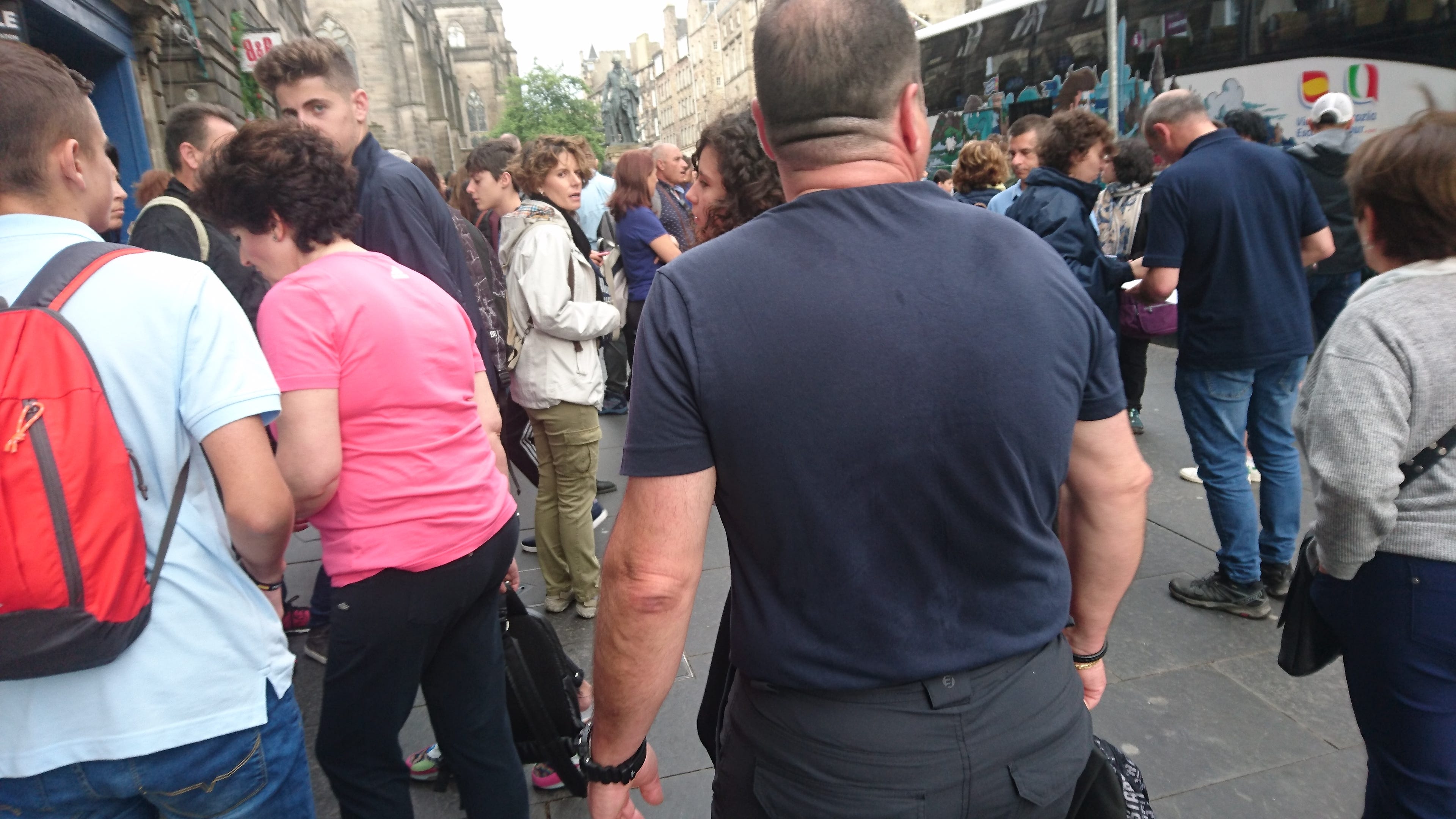
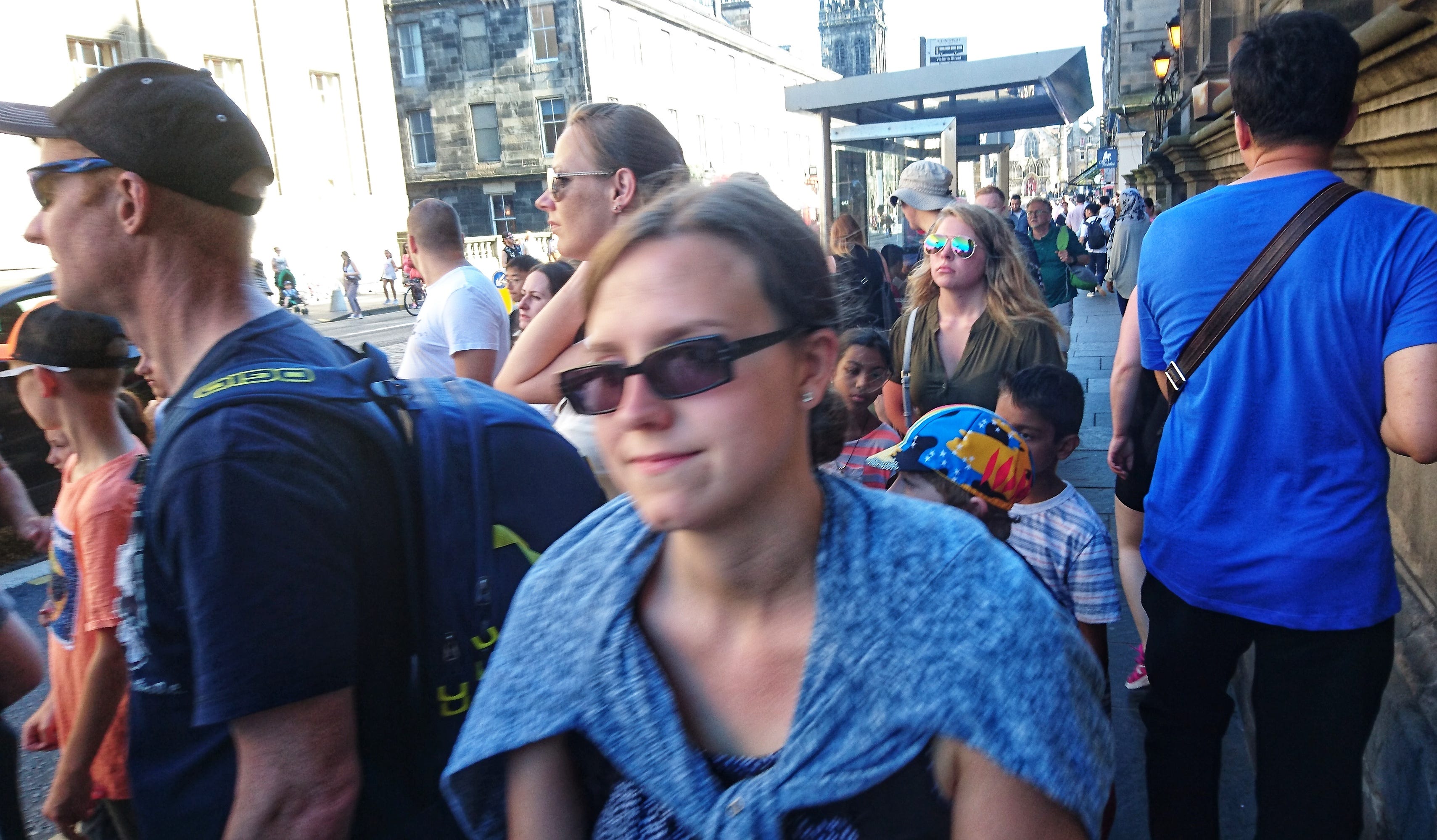
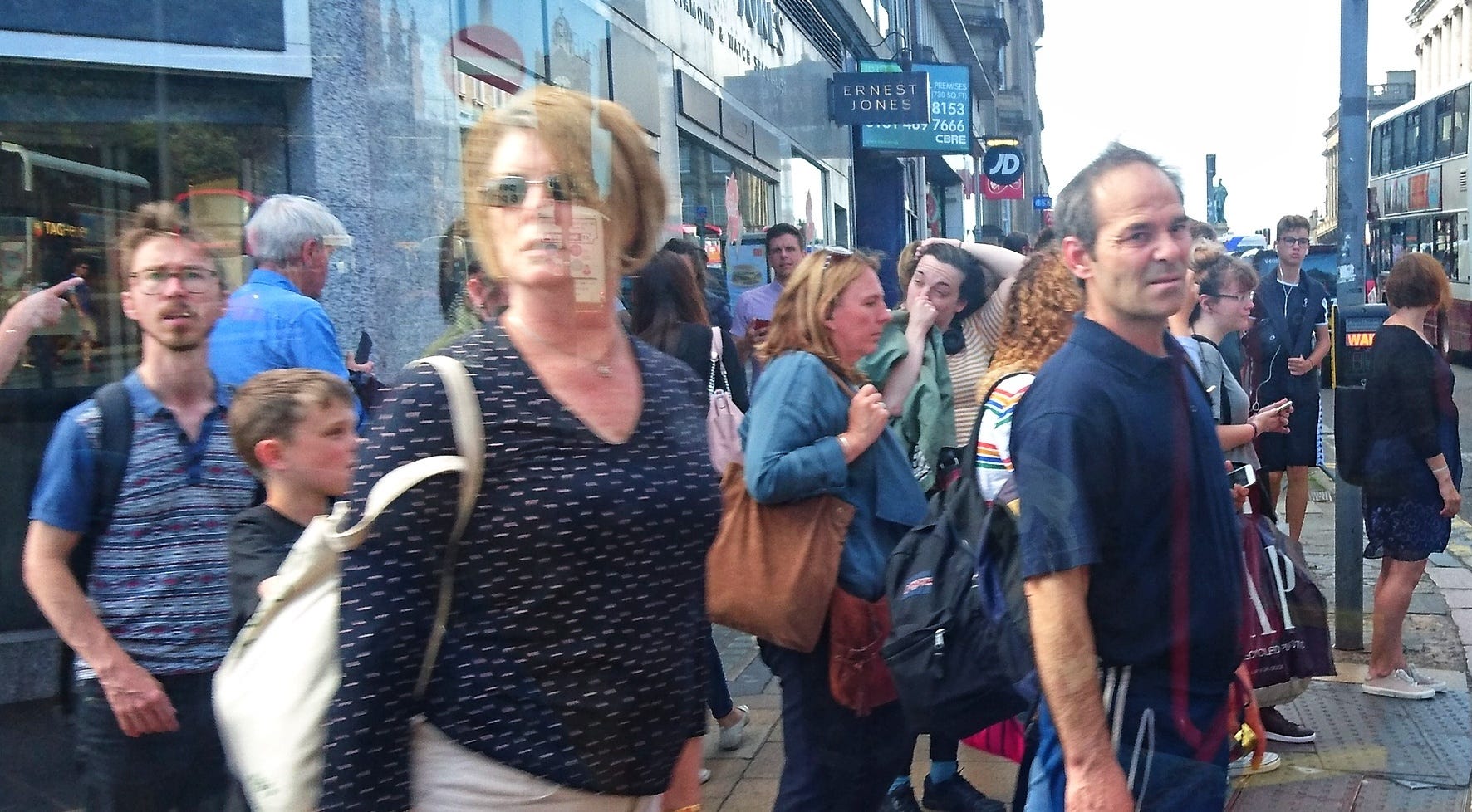
I wanted to take images that communicated to the viewer the breathlessness, the claustrophobia, the relentlessness of the Old Town environment. But I failed, completely, and all I took were pictures of people. People in a busy place and scene, sure. That’s all there is. It was a long time before I realised the reason why: I assumed at first that the failure was simply a matter of my weaknesses as a photographer.
But what it actually came down to was the limits of the photograph medium and my failure to recognise and work with those limits. In an interview by Michael Mack and Liv Constable-Maxwell in December 2025 to mark the publication of work from his early teen years, the great American photographer Stephen Shore set it out thus:
..there is a necessary gap between the world we experience and the world inside of a photograph. ..the world inside the photograph has to be coherent to itself and make sense in its own its own truncated terms - that it is decontextualized from the world and it has to make sense in terms of that decontextualization..
At the time - out there in the Edinburgh Old Town in July 2019 - I’d understood none of that.
There’s a sense too that I was attempting something underhand, even dishonest in 2019: photography has voyeurism baked into it, God knows, and what was I doing after all but pointing a finger, saying look at this, look at these people – a shaming attitude and one unlikely to succeed.
3 The Survey of Leith and Edinburgh
The Edwardian city’s great recorders were Francis Chrystal and, from 1899, the Survey Section of the Edinburgh Photographic Society, and as I have said, the great thing for me was that they were not in the main fine photographers. Neither was I, and from about 2018 they became my explicit model and inspiration for the photographs I was taking around Edinburgh.
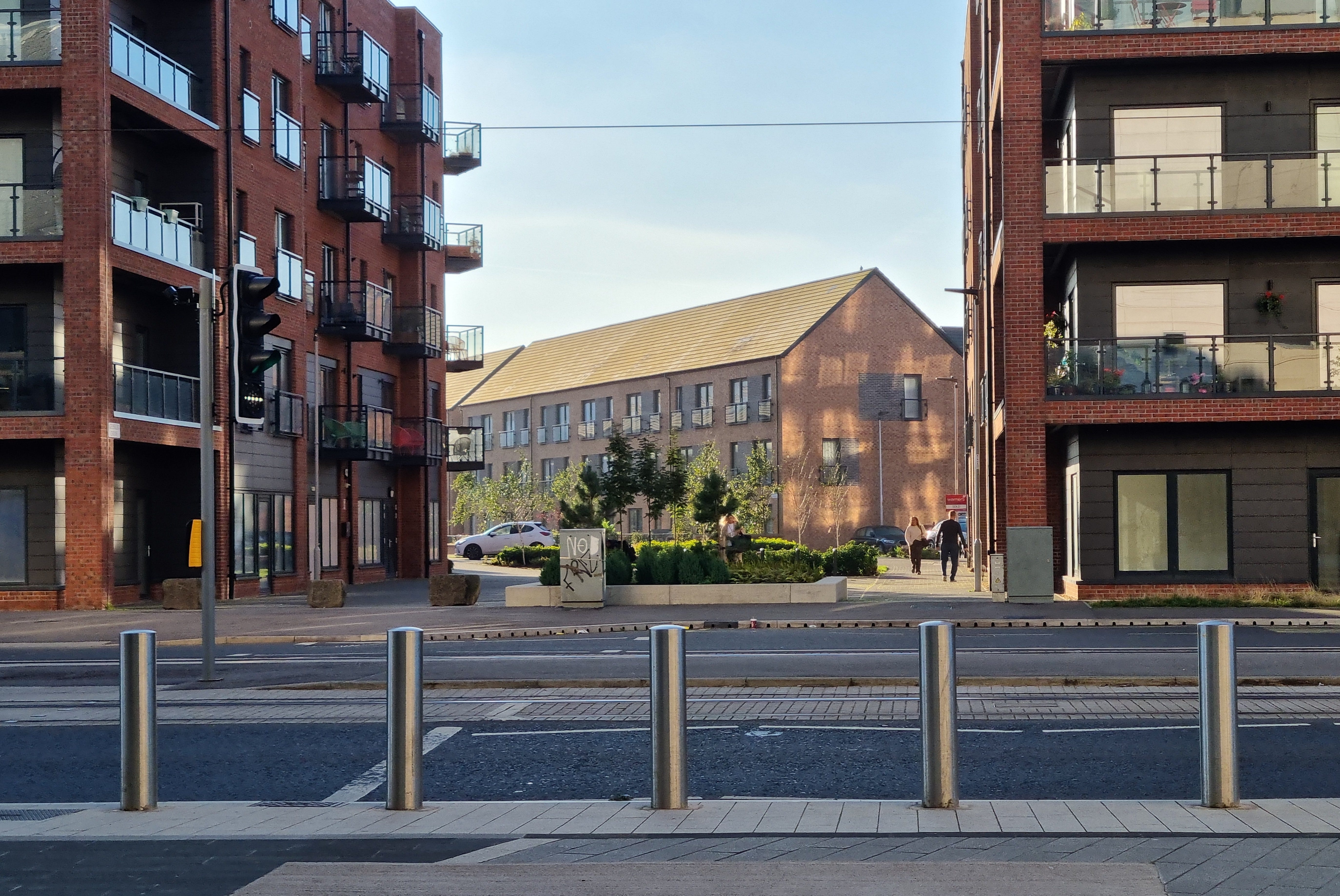
My vision was that I would, like the Survey Section before me, photograph the city in stages, and create a website that would make the whole thing searchable. I’d archive the images insofar as I could to modern standards, taking the view that whatever they lacked now in skill and execution would be made up in a century’s time by the interest given them by age.
When I was first forming this idea, I’d envisaged spending much of the time on Leith’s Constitution Street. It’s architecturally extremely interesting and varied, holds the buildings that Leith ran itself from before the 1920 union with Edinburgh and the tram was coming, which meant a lot of change to capture. And I was there quite a bit over the following years.
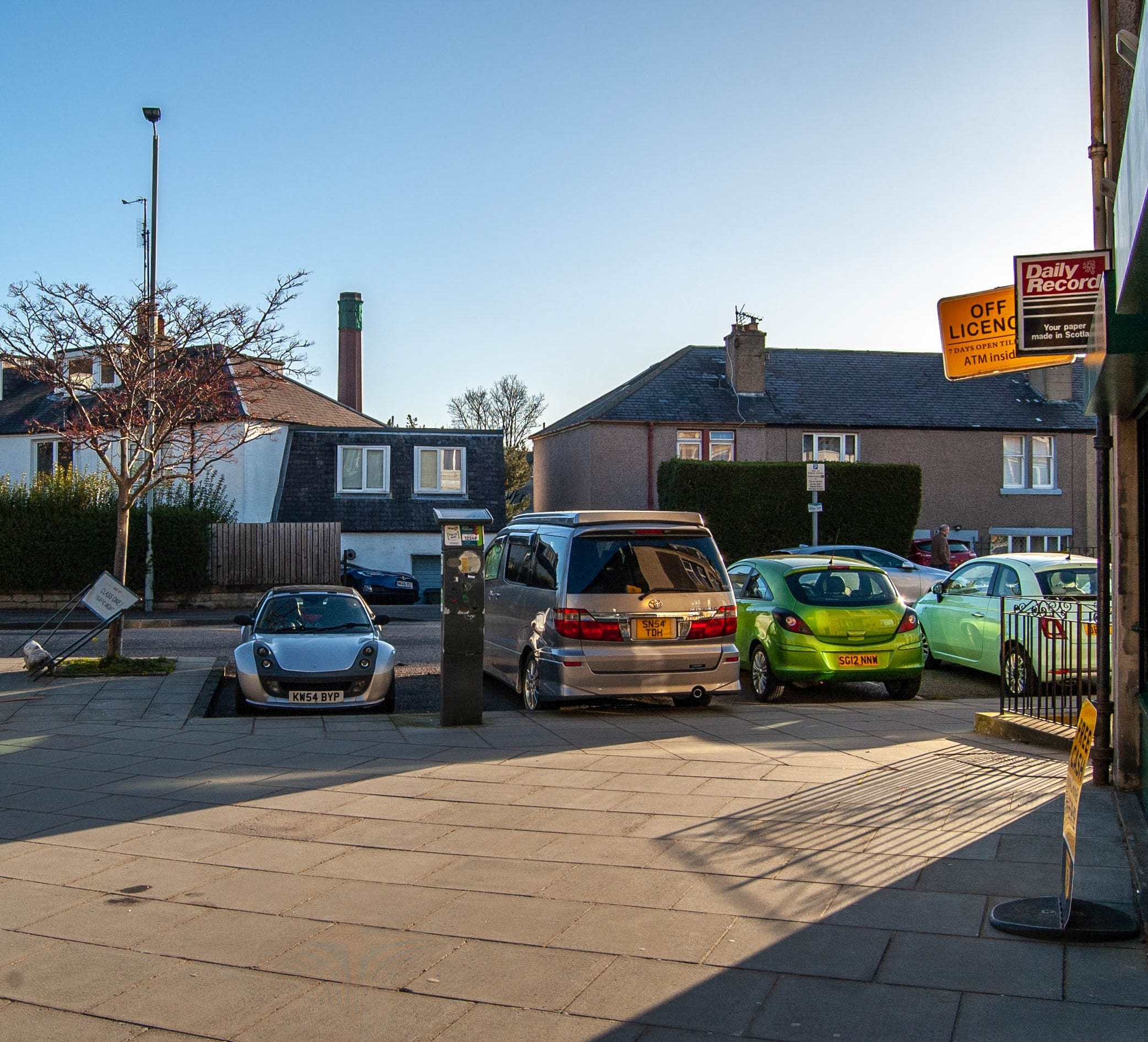
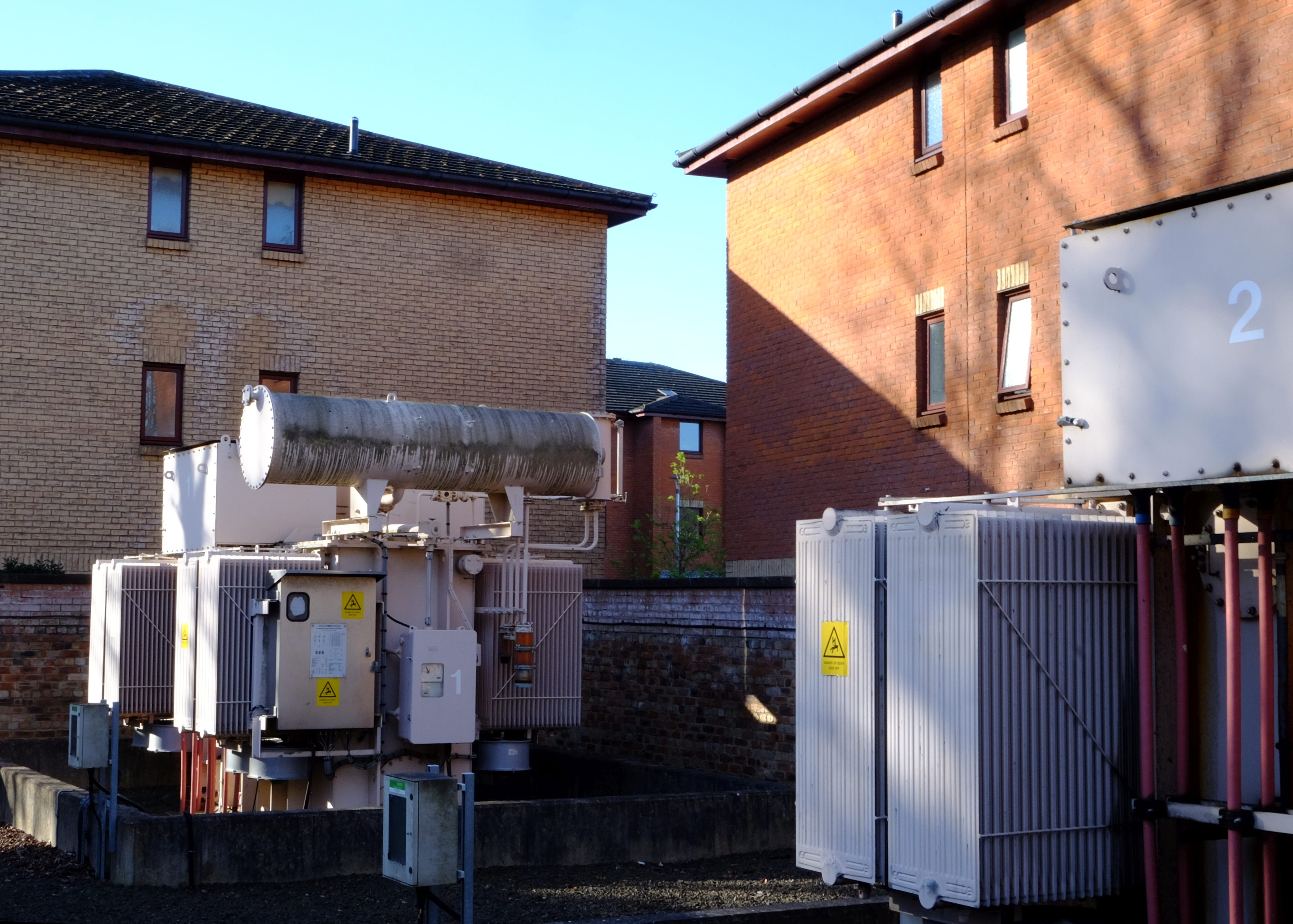
But the place I kept coming back to was Bellevue. Bellevue, for non-residents, might be the least well-known area in the city. It’s where the New Town ran out of steam at the start of the 1830s, with two houses only built on Hopetoun Crescent. The gap sites filled with light industry and garages, some of which still survive. Between the wars came semi-detached houses in the familiar 1920s and 1930s style, pebbledashed against the Scottish weather, along with a great exhibition centre that soon became one of the city’s main bus depots. A railway runs through it from Leith Walk to Powderhall, and a power station was built beside it by the Victorians in spectacular Renaissance terracotta with a tram depot behind it. It remains there today, marvellously weathered and still in use by the modern electricity industry.
It is the first haven of real life as you travel east out of the poor flogged animal that is the modern Edinburgh city centre. In the late afternoon, there is commuter foot traffic past the modern developments on McDonald Road, and the sound of playing children lifts from the green courtyards. From Annandale Street there is a vista back into town, overlooking the new St. James Centre which masses on the horizon like a medieval Italian hill town.
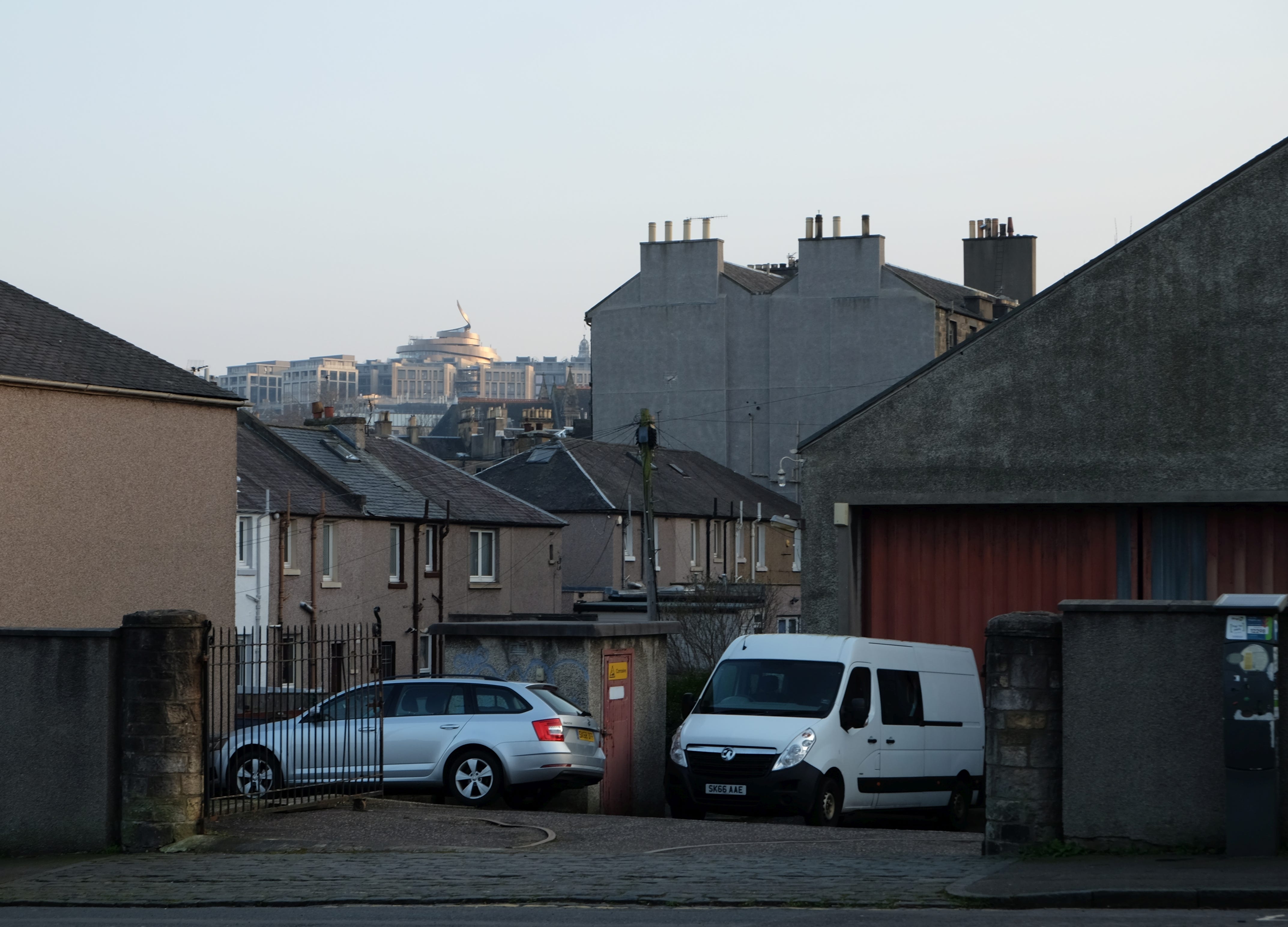
The freezing April early morning when I first walked around it with a camera is one of the happiest memories I have of Edinburgh. I was carrying my first DSLR, a vintage Nikon D70 that I had bonded with from the moment I lifted it from the box as you do sometimes with machines. I took my favourite photograph there, even if I cannot decide to this day on the crop.
I have never found Edinburgh easy to photograph. Bellevue was kindly, willing to compensate for your lack of skill and your haste. Trinity was different. Like the Dudleys on the other side of Leith that Owen had once known, it is essentially absent from the major online archival collections, but the things it offers its residents - privacy, quiet and air fresh off the seagoing Forth - also push the photographer away.
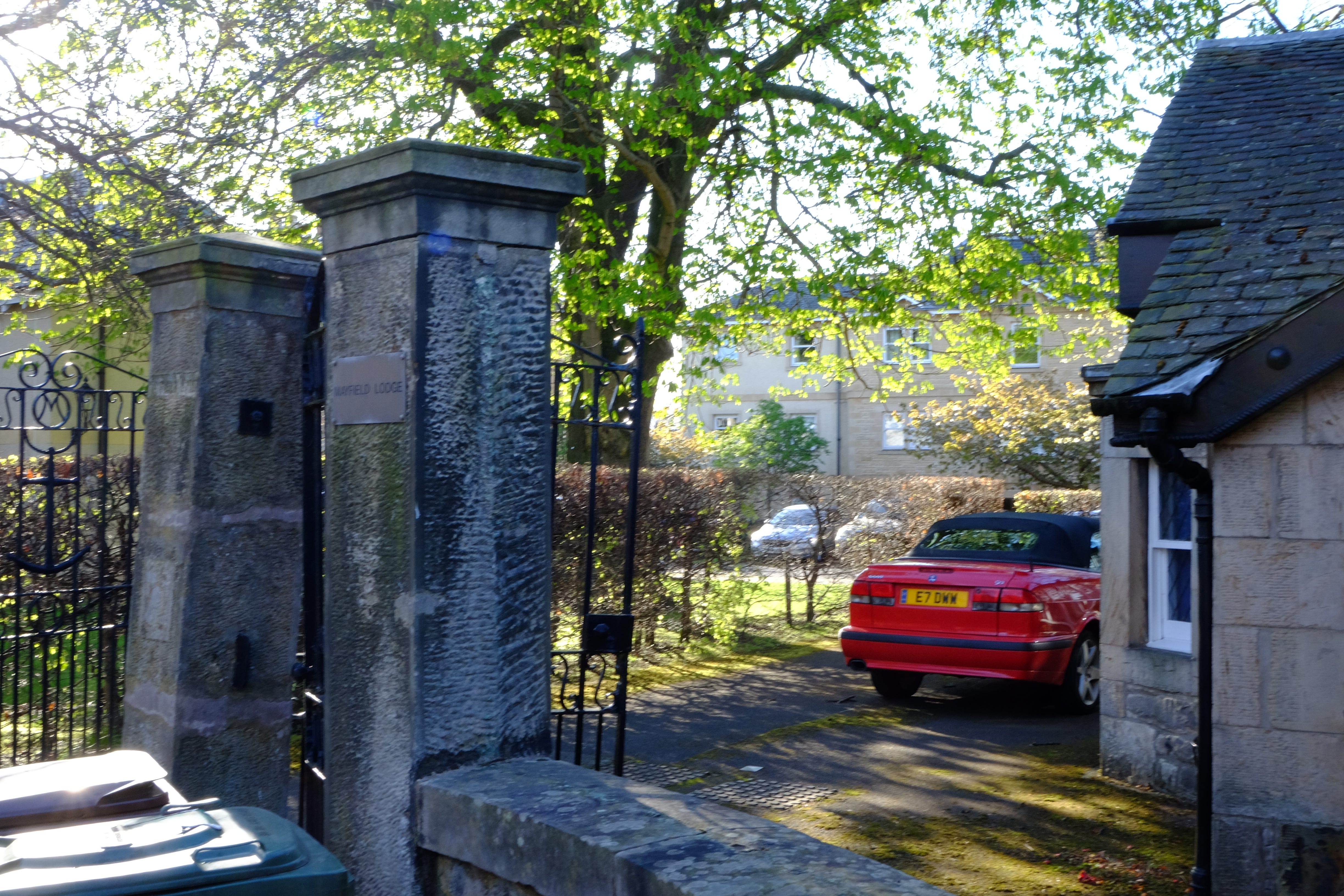
But it’s places like this that drove me all the harder towards finally taking on board the things that the kind of photographers who are more willing to learn absorb rather earlier. At the end of the day, outdoors with a camera, you are working with light, and your best images accept that the light is king. These begin eventually to become the only pictures you can stand. For me, the recording project began to become more of a reason to go out with a camera and attempt to learn something of the craft than an end in itself.
Over a decade, in any case, the city changed and that too wore at my intentions. When I began to take photographs in Leith, its industry was not yet entirely zoned out: one of the first buildings I encountered was Brown’s iron foundry, still at work on the Shore. There were others - Blake’s on Anderson Place, now in West Lothian, and there still is the stonemason Mearns in Bangor Street. I first encountered Brown’s - with something halfway between relief and awe - in 2015, and the historic Timberbush district around it. The closure of Brown’s seemed a good way to bring the project to an end, and my last specific Leith/Edinburgh camera walk was there late in 2025. The project’s pictures are here.